• Clog-prone skin is a common concern for many, as it tends to get easily congested, leading to breakouts, blackheads, and an uneven texture. The key to treating and preventing clogged pores lies in balancing hydration, exfoliation, and protection without over-stripping the skin. For those looking to find a skincare regimen that tackles these issues while maintaining healthy, glowing skin, here’s the routine featuring some of my favourite products.


    1. Step One: Double Cleansing with a Cleansing Oil

    Starting your skincare routine with a Cleansing Oil is a fantastic way to remove makeup, sunscreen, and excess oils without irritating your skin. For clogged skin, you need something that thoroughly breaks down impurities without clogging the pores further.

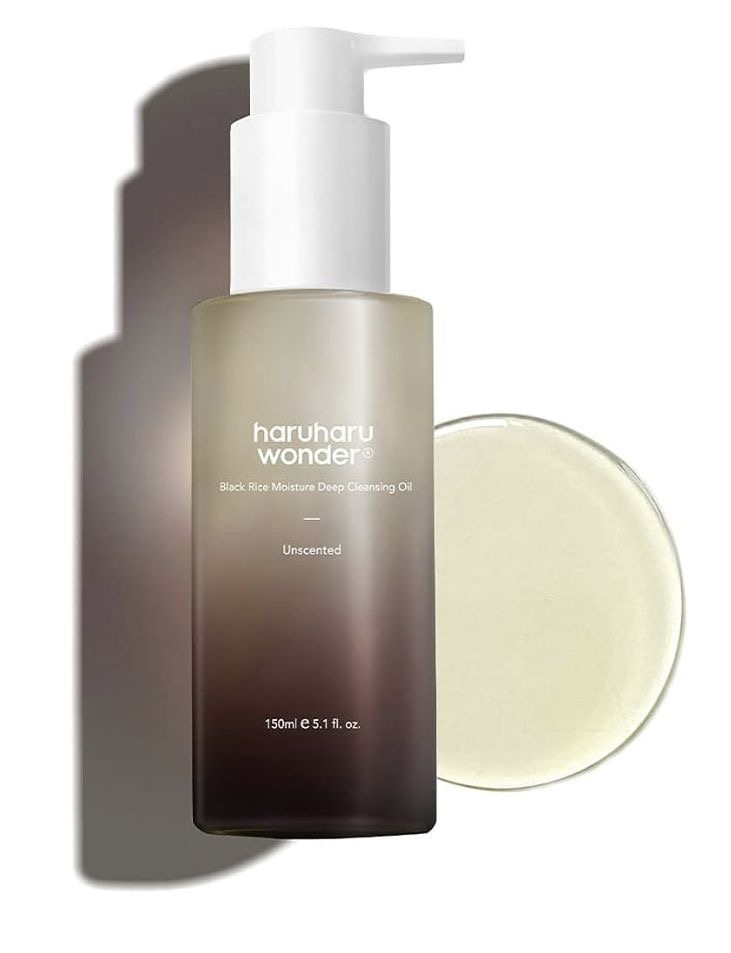
    A cleansing oil works wonders because it draws out oil-based impurities, allowing your skin to breathe. The best part is, it doesn’t leave a greasy residue behind. it’s specifically formulated to gently dissolve excess oil while maintaining the skin’s natural moisture balance. I use Haruharu black rice moisture deep cleansing oil. It is gentle and doesn’t clog my skin.

    Apply onto dry skin and gently work into skin for 1-2mins before emulsifying with water and then rinsing off completely before moving onto the next step.
    https://tr.ee/ZXpGjS

    2. Step Two: Water based cleanser

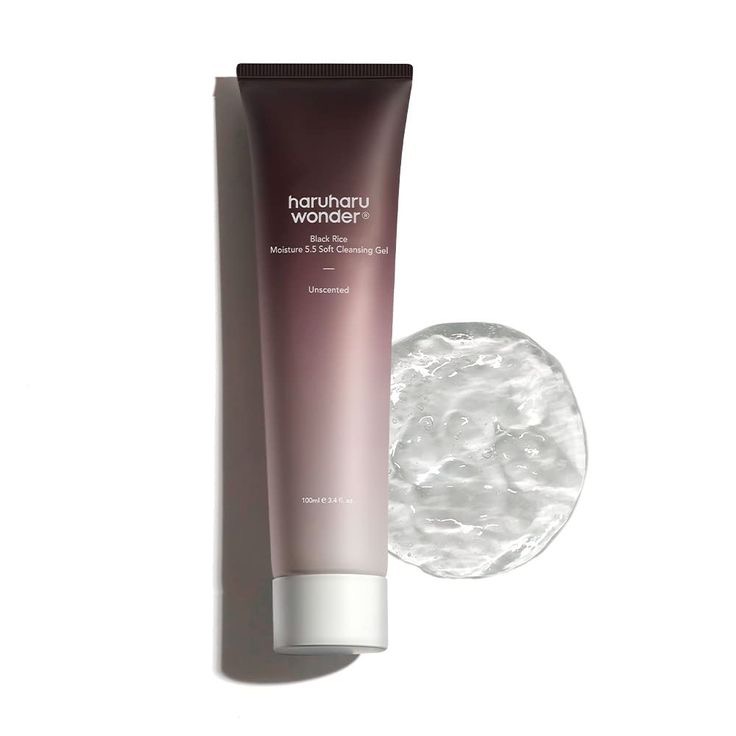
    After the oil cleanser has done its job, it’s time to follow up with a gentle but effective face wash. The Haruharu Black Rice Water Face Wash is an excellent option for clog-prone skin. With its formulation of black rice extract, it deeply nourishes and cleanses without stripping the skin’s moisture barrier. The mild yet effective formula makes it a great second step in double cleansing. When dealing with clogged skin, it’s crucial to choose a cleanser that not only removes excess oils but also keeps the skin hydrated. This face wash is ideal for that purpose.
    https://tr.ee/ExXrRd


    3. Step Three: Hydrating Toner

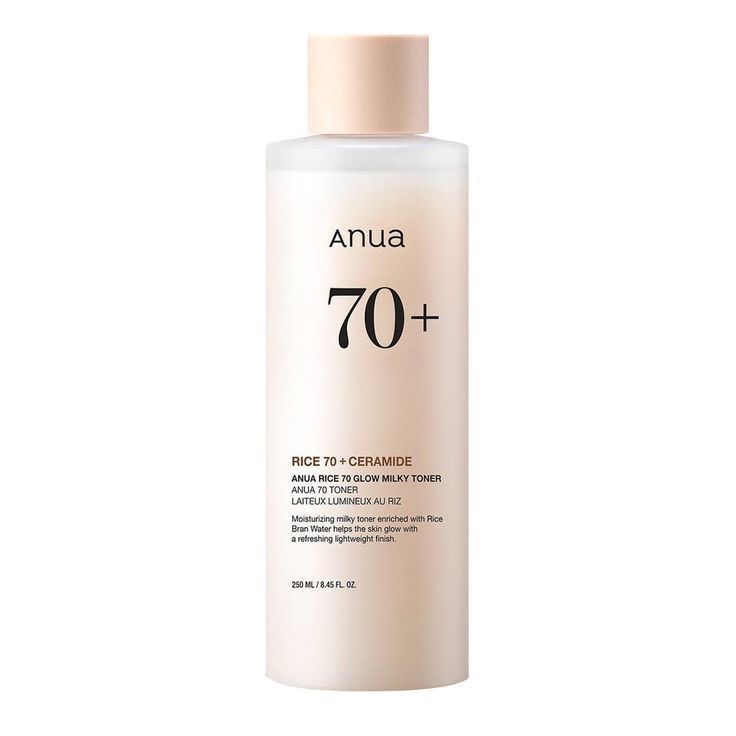
    After cleansing, it’s essential to tone the skin to restore its natural pH level and hydrate. Anua Rice Toner is a perfect addition to a routine for clogged pores. Rice extract is known for its soothing properties and ability to brighten and hydrate the skin. This toner contains a high percentage of rice water, which deeply nourishes and calms inflamed or irritated skin while balancing moisture level.Pat the toner into your skin with your palms rather than wiping it off with a cotton pad. This ensures more product gets absorbed and prevents unnecessary friction.
    https://tr.ee/QOGnzC


    4. Step Four: Calming Serum

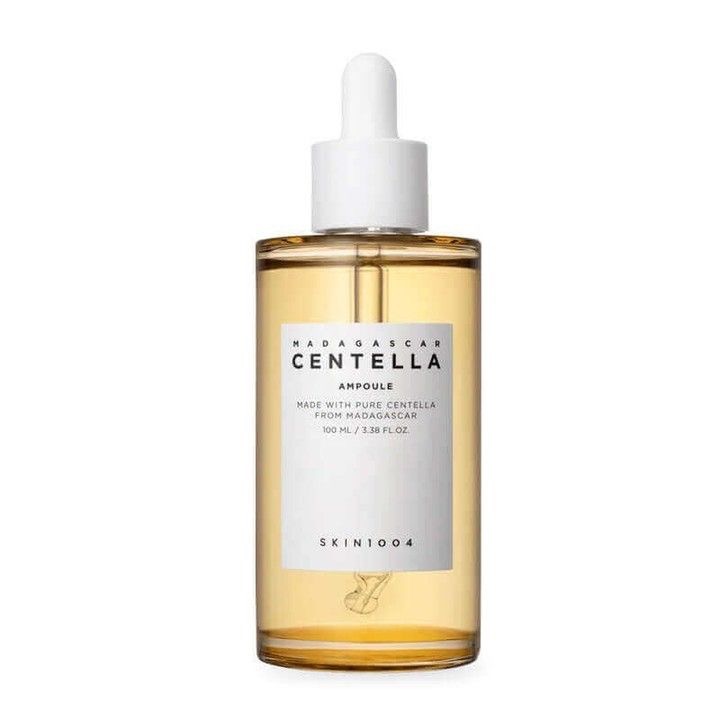
    Next up, we introduce the Madagascar Centella Ampoule, a powerhouse for calming and healing sensitive, inflamed skin. Centella Asiatica has anti-inflammatory properties that help soothe irritated skin and promote the healing of acne or blemishes.

    For clog-prone skin, it’s important to reduce inflammation and speed up skin renewal. This serum provides just that by delivering nutrients and promoting collagen production. It not only soothes but also helps to repair the skin barrier, which is essential for anyone struggling with clogged pores and occasional breakouts.
    https://tr.ee/aKmOCq


    5. Step Five: Retinoid (for Night Use)

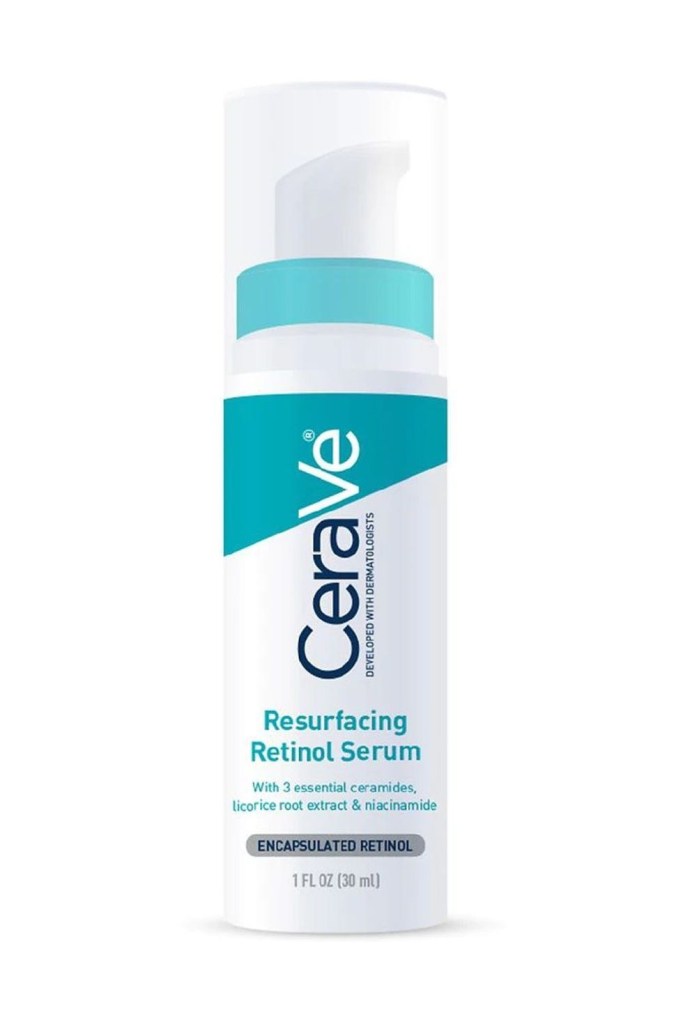
    Incorporating a Retinoid into your routine is key to preventing clogged pores in the long run. Retinol, a form of Vitamin A, promotes cell turnover, helping your skin shed dead cells and regenerate new skin. This not only reduces the chance of clogged pores but also helps prevent the formation of blackheads and whiteheads.

    If you have sensitive skin or are new to retinol, start by applying it 2-3 times a week and gradually increase the frequency. Always apply it in the evening since retinol can make your skin more sensitive to the sun. Always follow with sunscreen during the day when using retinol at night to avoid sun damage.

    On days I don’t use my retinol, I exfoliate 1-2x a week with the Medicube 2.0 exfoliating pads.
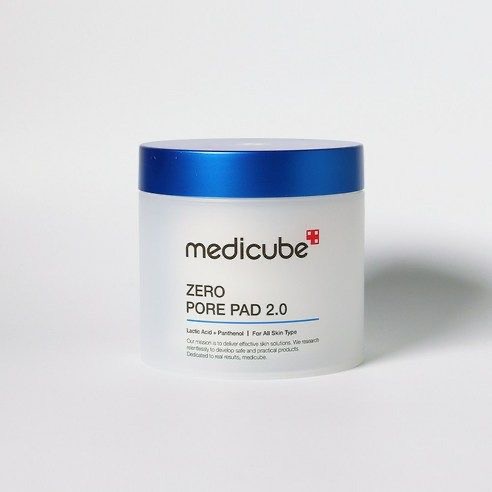
    https://tr.ee/NIu1Nh

    https://tr.ee/NYB3q4


    6. Step Six: (Moisturizer)

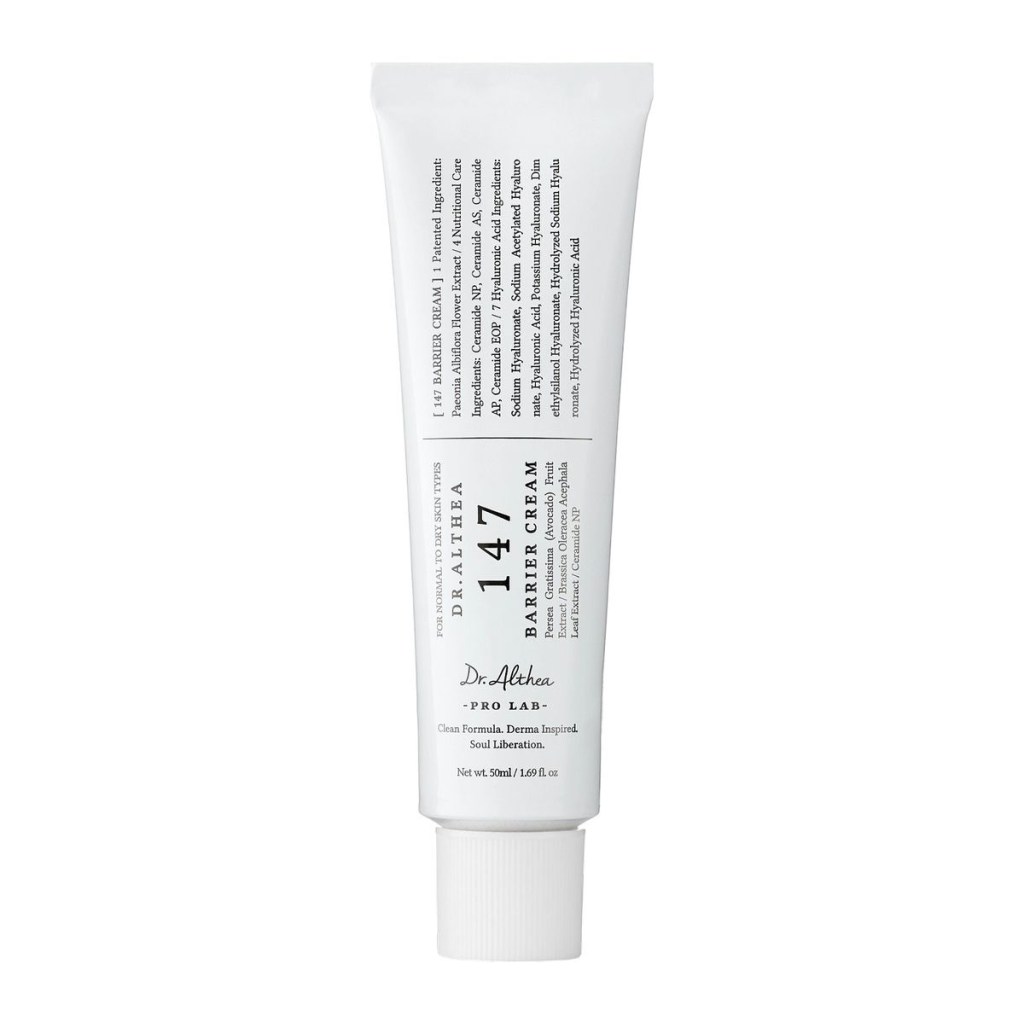
    Finally, lock in all the hydration and active ingredients with a moisturizer. The 345 Dr. Althea Cream is an excellent choice for this step. This moisturizer is lightweight but still provides adequate hydration and protection, especially for sensitive and congested skin.

    Its gentle formula ensures that your skin stays moisturized without feeling greasy or weighed down. The cream balances out the retinol’s potential drying effects and works as a barrier to lock in all the nourishing ingredients your skin has absorbed throughout the routine.
    https://tr.ee/Ey8jtm


  • What Are Hair Bond Repairs and Do We Really Need Them?

    If you’ve ever gone down the rabbit hole of haircare trends on social media, chances are you’ve heard of bond repair treatments. They’re all the rage right now praised by hair stylists, influencers, and celebrities alike. From salon-grade systems like Olaplex to at-home bond-repair masks, the promise is clear: repair damaged hair from within.

    But what exactly does that mean? And do you really need to add a bond repair treatment to your haircare routine?


    🧬Lets start with the first question. What Are Hair Bonds?

    To understand bond repair, we first need to understand hair structure.

    Hair is primarily made of a protein called keratin, which is held together by various types of bonds:

    1. Disulfide Bonds – Strong chemical bonds responsible for hair strength, shape, and elasticity.
    2. Hydrogen Bonds – Weaker and temporary, affected by water and heat.
    3. Salt Bonds – Also weak, and influenced by pH levels.

    When hair is colored, bleached, heat-styled, or chemically treated, those disulfide bonds break down. The more they break, the more brittle, frizzy, and lifeless your hair becomes.


    💡 So, What Is Bond Repair?

    Bond repair treatments are specially formulated to rebuild and reconnect those broken disulfide bonds in the hair shaft. Unlike traditional conditioners or masks that just sit on the surface and make hair feel soft, bond repair treatments work at a molecular level to actually strengthen the hair from within.

    Popular bond repair systems include:

    • Olaplex
    • K18
    • Redken Acidic Bonding
    • L’Oréal Bond Repair line

    Each uses slightly different technology, but the core goal is the same: repair damage, restore strength, and prevent future breakage.


    🧪 Do You Really Need Bond Repair?

    ✅ You might need it if:

    • You bleach, highlight, or colour your hair frequently
    • You regularly use hot tools like straighteners or curling irons
    • Your hair feels dry, breaks easily, or has lost its shine
    • You’ve had a perm, relaxer, or other chemical treatments

    If you nodded to any of the above, bond repair can be a game-changer for your hair health.

    🚫 You might not need it if:

    • Your hair is virgin (never chemically treated)
    • You rarely use heat and maintain a low-manipulation routine
    • Your hair is already strong, shiny, and healthy

    For people with minimal damage, using heavy-duty bond repair products can be unnecessary or even counterproductive, especially if it weighs your hair down.


    ⚖️ So, Hype or Holy Grail?

    Bond repair treatments aren’t just hype they’re scientifically-backed solutions for damaged hair. But like any skincare or wellness product, they’re not for everyone.

    If your hair is struggling from bleach, dye, or heat damage, a bond repair system could help reverse the signs of stress and bring your strands back to life. On the other hand, if your hair is healthy and low-maintenance, you might be better off sticking with a good shampoo, conditioner, and occasional deep conditioning.

    So, do you really need bond repair?
    Only if your hair is telling you it does. Listen to it and treat it kindly.


    Have you tried bond repair treatments? Let us know your experience in the comments below!

  • A wash day routine with minimal breakage that has helped me to retain the most length.

    It is easy and doesn’t take up your whole day!

    I have type 4 medium porosity hair.

    1. Pre poo and detangling before washing

    Start by sectioning your hair.

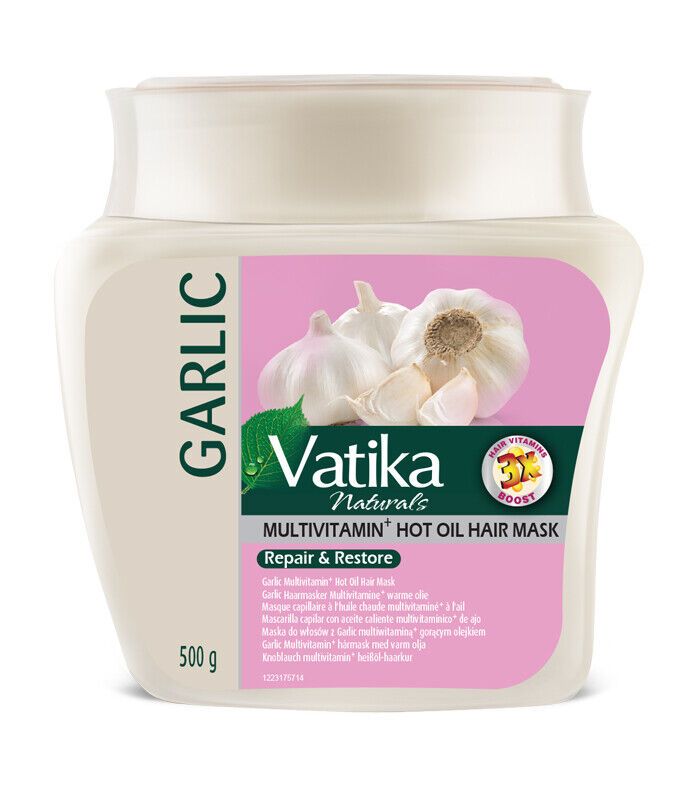
    Detangling on dry hair is a big NO. I use a product with a lot of slip like the Vatika deep conditioner or a homemade flaxseed gel to carefully detangle my hair. Carefully gliding through knots and tangles at the initial stage of wash day sets you up for success as this is the step that leads to the most breakage if not done gently and patiently.

    https://tr.ee/smgIuZ

    Tip: Add oils on to your hair and scalp during this process as a hair treatment

    2. Shampooing

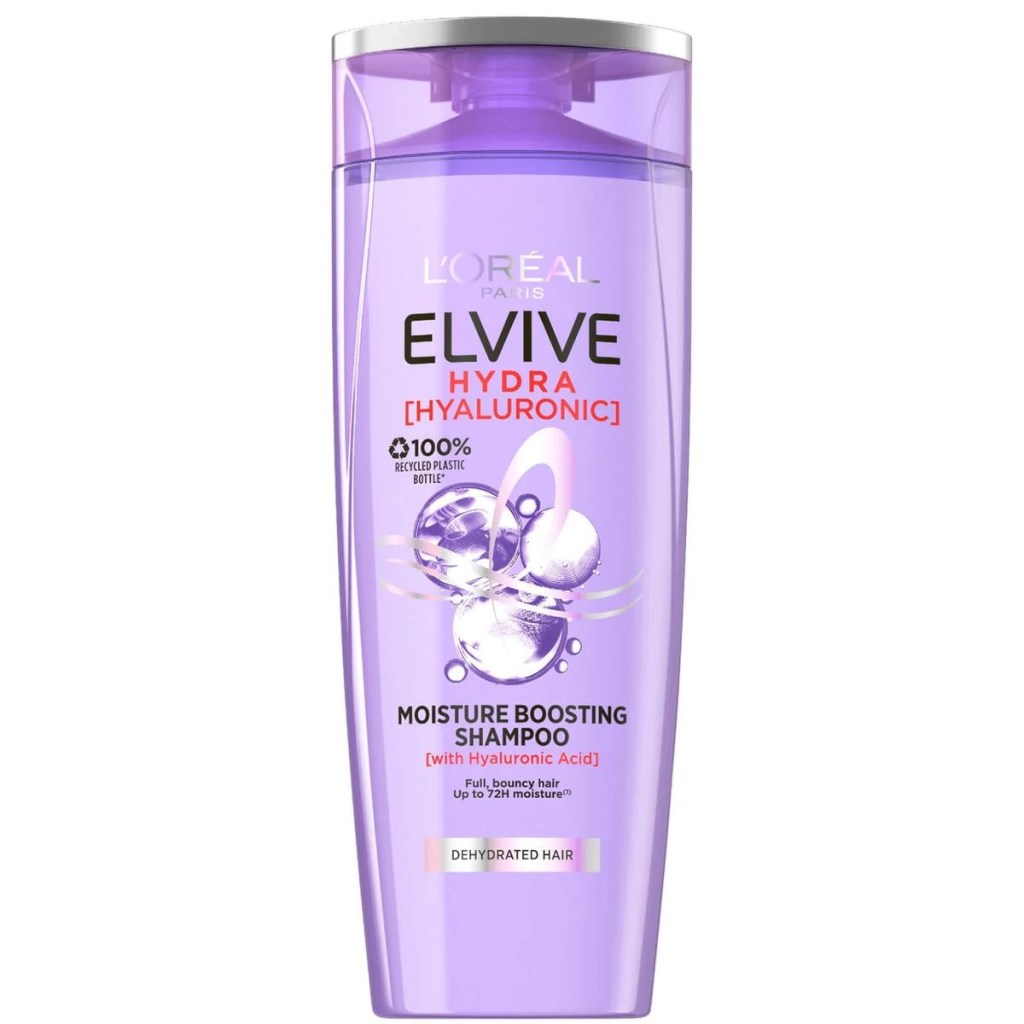
    After letting the pre poo sit on my hair for 20-30mins I use a shampoo that clarifies my hair as well as adds moisture back into it. My current favourite is the drugstore shampoo Loreal elvive hydra hyaluronic moisture boosting shampoo. I shampoo 2-3x to thoroughly clean my scalp and length of my hair

    https://tr.ee/ark9x3

    3. Deep conditioning

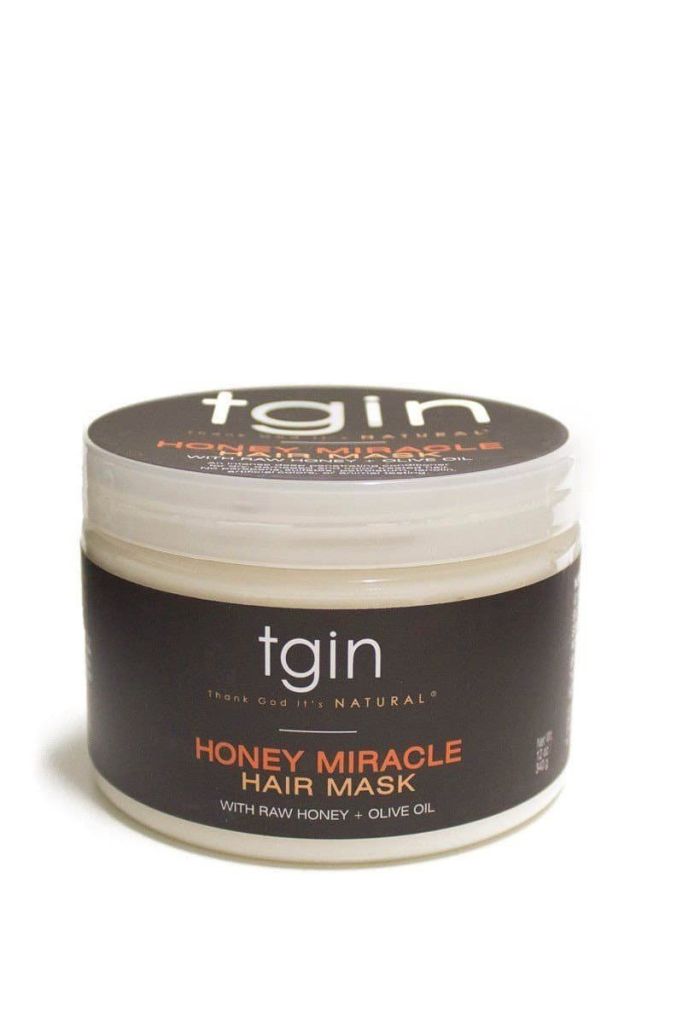
    Immediately after washing, I occasionally use a rinse out conditioner like the VO5 as an option for lazier days however, a thick deep conditioner is the next best step. I use the TGIN honey miracle hair mask. I apply a fair amount from root to ends and let sit in my hair for no more than 30mins before rinsing out thoroughly with cool water.

    https://tr.ee/pOQPmE

    4. Moisturizing and sealing

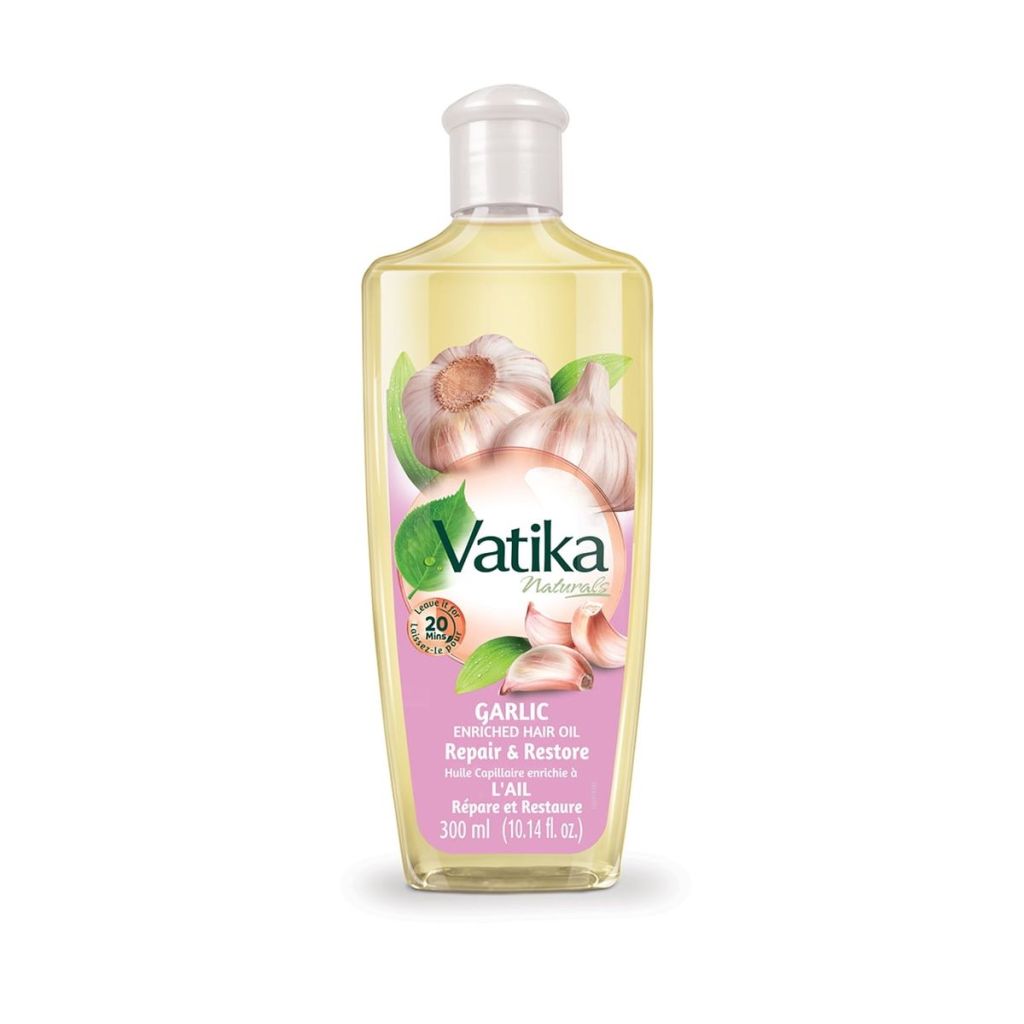
    The LCO (liquid-cream-oil) is my go to method to properly moisturize my hair. I find this method to be the most effective. I do this almost immediately after wash day and use the Shea moisture’s JBCO leave in conditioner, my homemade hair butter and vatika’s garlic hair oil to seal.

    https://tr.ee/NPQVvu

    https://tr.ee/23cjTx

    5. Protective styling

    I style my hair in a low tension protective style that protects my ends till the next wash day.

    eg: Jumbo twists, flat twists.

  • Welcome to WordPress! This is your first post. Edit or delete it to take the first step in your blogging journey.